Fraxotic’s Vision: Crafting a Sustainable Future for Retail
August 18, 2023
Vending Machine Profit in India: What to Expect
November 16, 2023
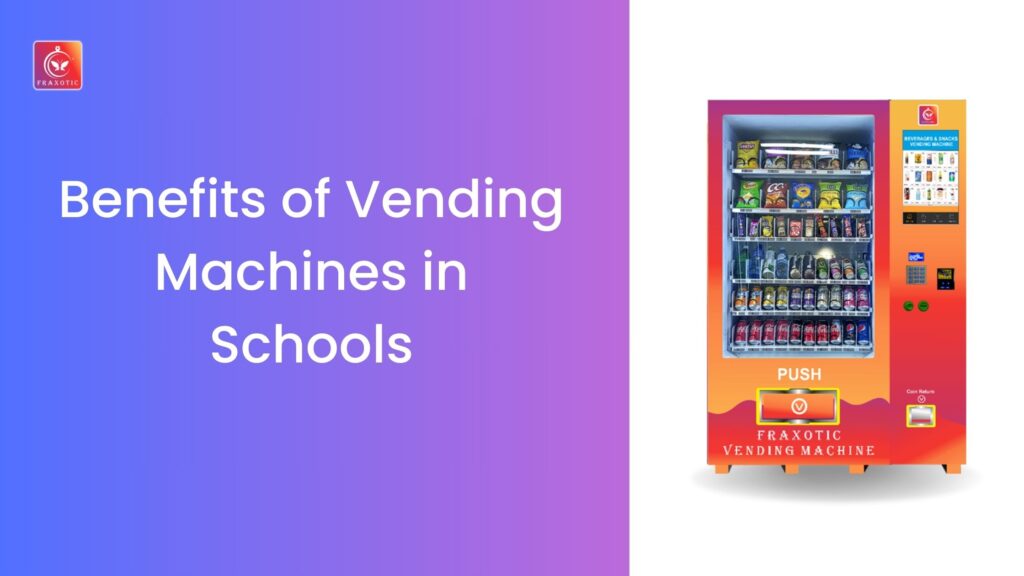
Quick answer: Vending machines in schools and colleges give students quick access to snacks and drinks without leaving campus, can be stocked with healthier options chosen by the institution, and can bring in commission or convenience value for the school — while common concerns around nutrition are manageable through careful product selection and regular maintenance.
Walk through any large school, college or university campus today and you will notice the same thing: long queues at the canteen during short breaks, and students with almost no time to eat. Vending machines have become a practical answer to this gap. Placed in corridors, hostels, libraries and sports blocks, they serve students at any hour without adding canteen staff. In this article we look at the main advantages of introducing vending machines in schools — convenience, healthier choices, and revenue — along with the concerns institutions usually raise, and how to address them.
1. Convenience and Accessibility
Streamlining Snack Options for Busy Students
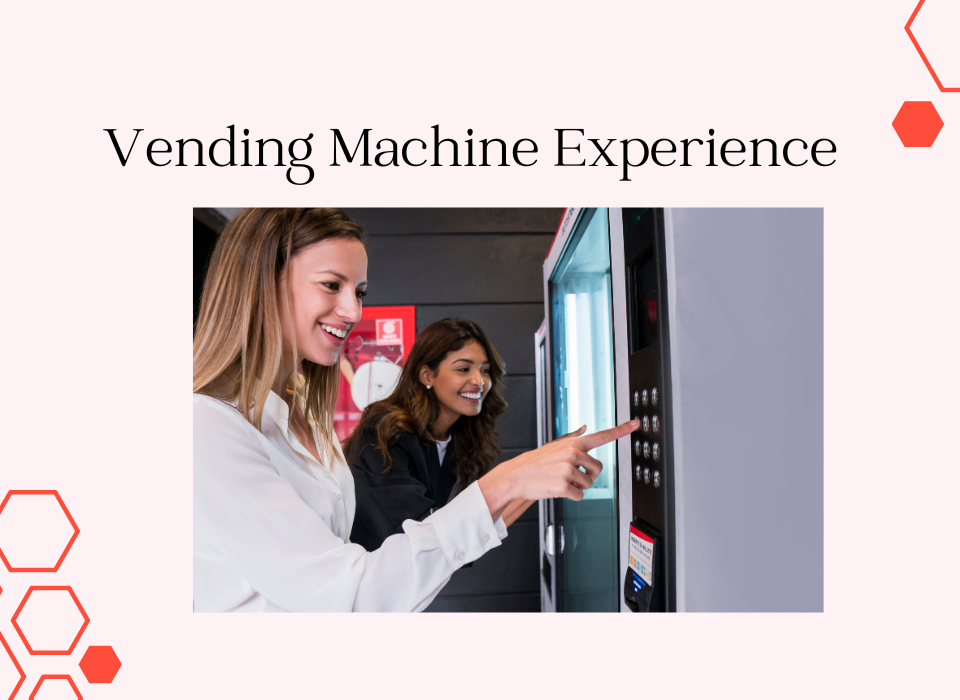
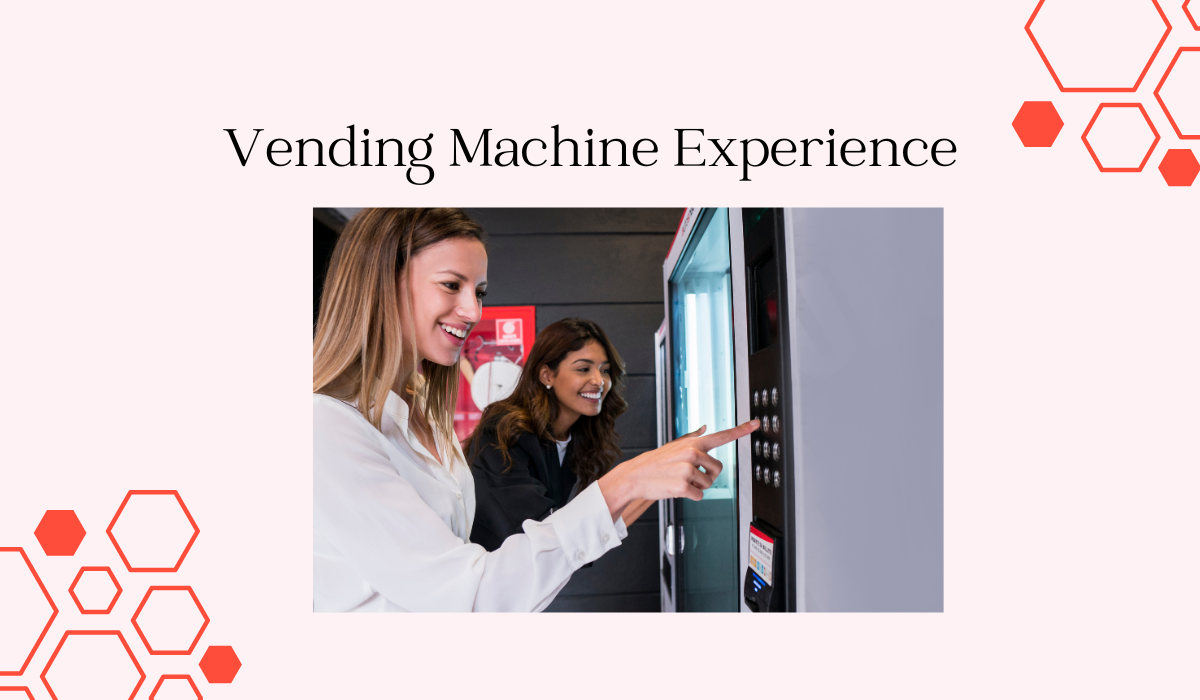
School and college schedules leave students with short, fixed breaks. A canteen with limited counter staff cannot serve hundreds of students in fifteen minutes, but a bank of vending machines can dispense a snack or drink in seconds, with digital payment and no queue management needed.
Machines on campus also mean students do not need to step outside the premises in search of food. That saves time between classes and keeps students inside the campus during the day — a genuine safety benefit that schools value, especially for younger students. Machines work before assembly, after classes, and during evening sports and hostel hours when the canteen is closed.
2. Promoting Healthy Choices
Encouraging Nutritional Education and Smart Eating Habits
A vending machine sells whatever it is stocked with. That is the institution’s biggest lever: a school that controls its own product mix can fill machines with juice, buttermilk, baked snacks, nuts, protein bars and low-sugar drinks instead of the usual chips-and-cola line-up. The machine then quietly reinforces the school’s own nutrition messaging every time a student uses it.
Some institutions go further and involve students in deciding the product list — a small, practical exercise in reading labels and comparing options. Because the product mix can be changed at every refill, the school can keep adjusting toward what students actually buy from the healthier range, instead of guessing once and being stuck.
3. Generating Revenue and Funding Opportunities
Unlocking Financial Potential for Schools
A well-placed machine on a busy campus sells steadily through the academic year. Depending on how the arrangement is structured, the institution can earn a margin on the products it stocks and sells, or simply gain a valued campus amenity at a predictable monthly cost. Income from campus vending is commonly directed toward student activities, sports equipment or facility upkeep.
The commercial structure matters more than the machine itself. Buying machines outright ties up capital and leaves the school responsible for repairs. Renting the machines instead — with maintenance included, while the institution stocks and sells its own chosen products and keeps the sales revenue — keeps the arrangement simple, budgetable, and free of technical headaches.
4. Addressing Potential Concerns and Solutions
Addressing Misconceptions and Finding Balance
The most common objection to vending machines in schools is nutrition — the fear that machines mean junk food. As covered above, that outcome is a stocking decision, not a property of the machine. Institutions that publish a clear product policy (for example: no carbonated soft drinks, defined limits on sugar and fried snacks) remove the objection at its root.
The second concern is competition with the school meal programme. In practice machines work best as a complement, not a replacement: they cover the hours and locations the canteen cannot, while main meals stay with the mess or canteen. Finally, there is upkeep — a machine that is out of order or out of stock helps no one. This is solved by having a written maintenance commitment from the vending partner and a simple refill routine on the school’s side.
Conclusion
Vending machines earn their place on a campus in three ways: they serve students quickly in the gaps the canteen cannot cover, they give the institution direct control over offering healthier options, and they can add a steady income stream or amenity value at low effort. The concerns that schools raise — nutrition, canteen overlap, upkeep — are all handled by policy and by choosing the right operating model. For most institutions, renting machines with maintenance included, while stocking and selling their own products, is the lowest-risk way to get started.
Need a vending machine without buying one?
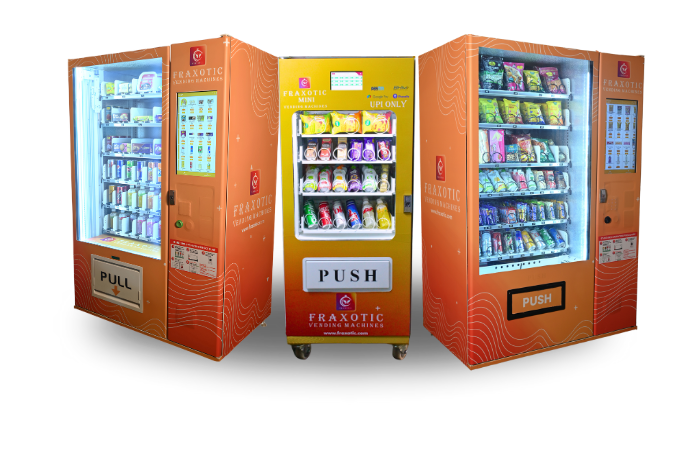
Fraxotic rents vending machines to corporates, institutions and government facilities across India — monthly rental with maintenance included; you stock your own products.